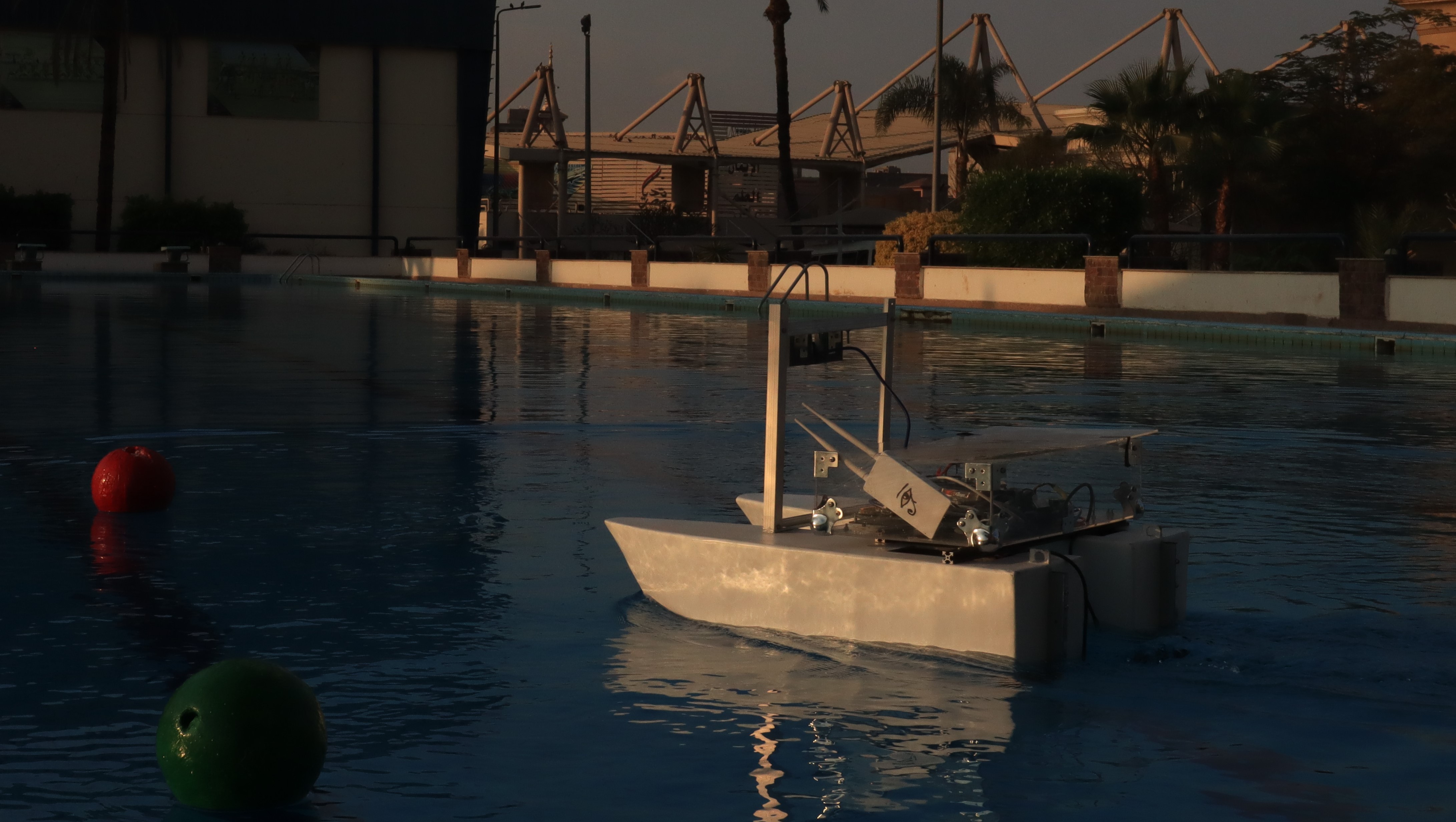
Mandjet is an Autonomous Surface Vehicle (ASV) developed for the RoboBoat 2026 competition. The vehicle was redesigned to improve stability, maneuverability, and autonomous task execution TDR.
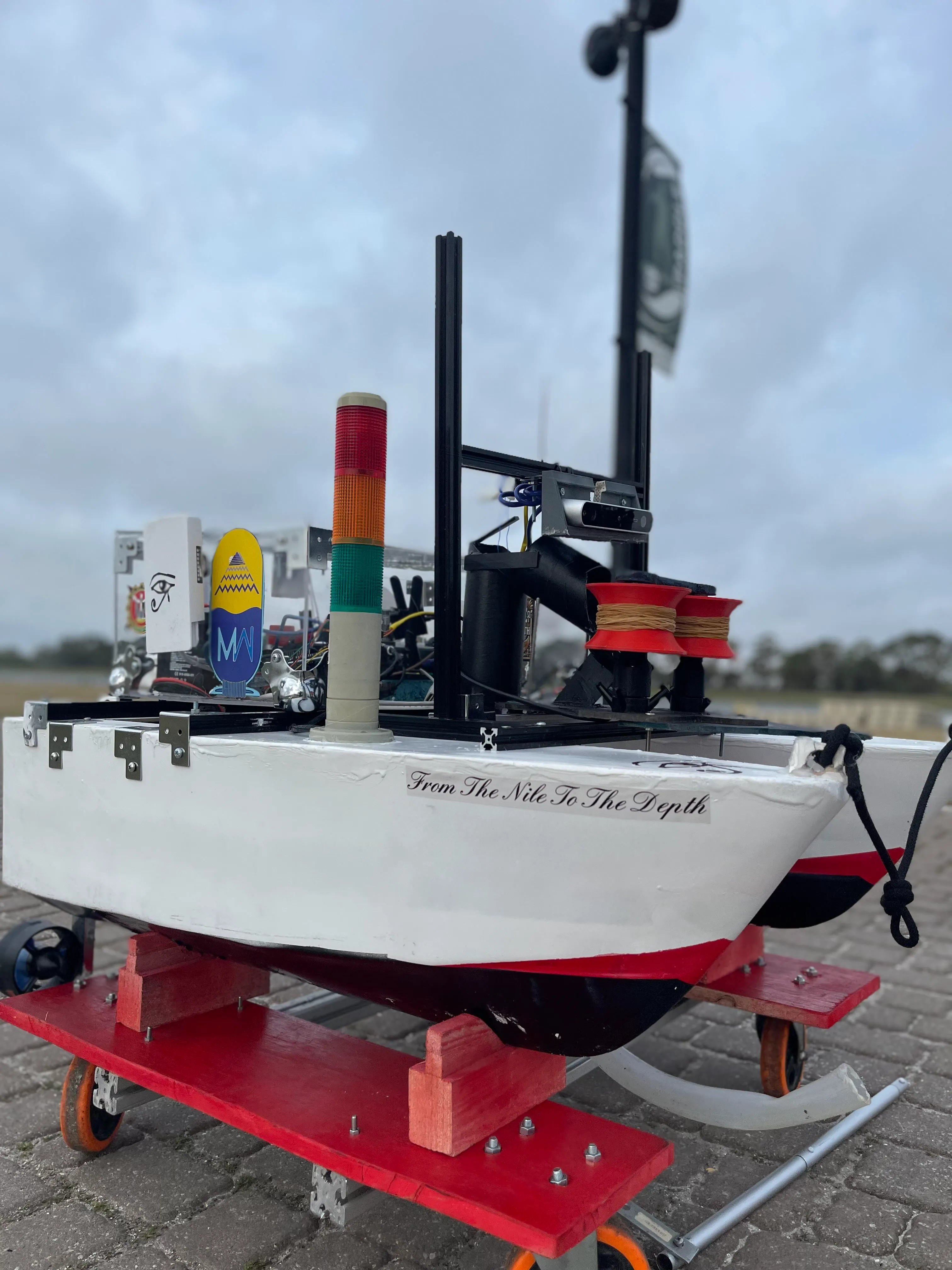
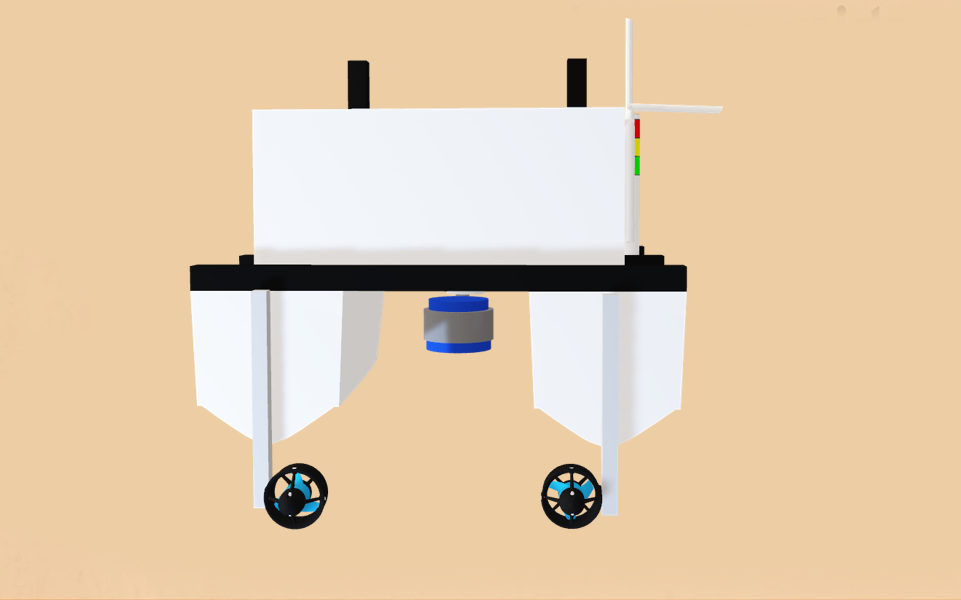
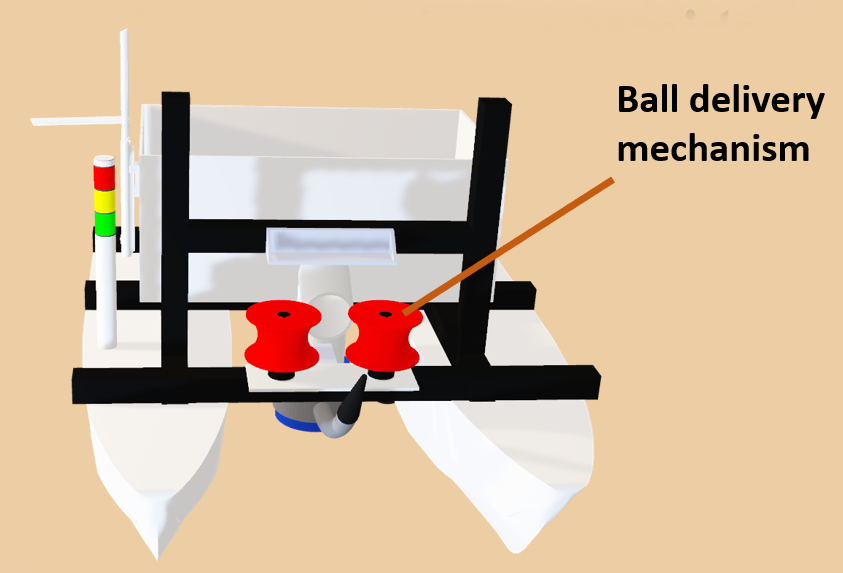
Figure 1: Mandjet ASV – General View
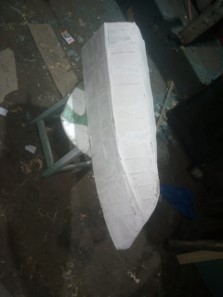
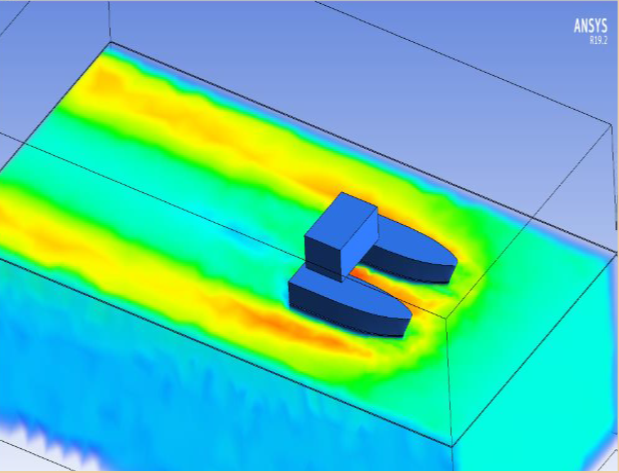
The vehicle utilizes a V-shaped catamaran hull configuration to improve hydrodynamic efficiency and overall stability. This design reduces drag while maintaining balanced buoyancy, enabling Mandjet to operate effectively under varying water conditions. Fiberglass was selected as the primary hull material due to its durability, lightweight properties, and resistance to water exposure.
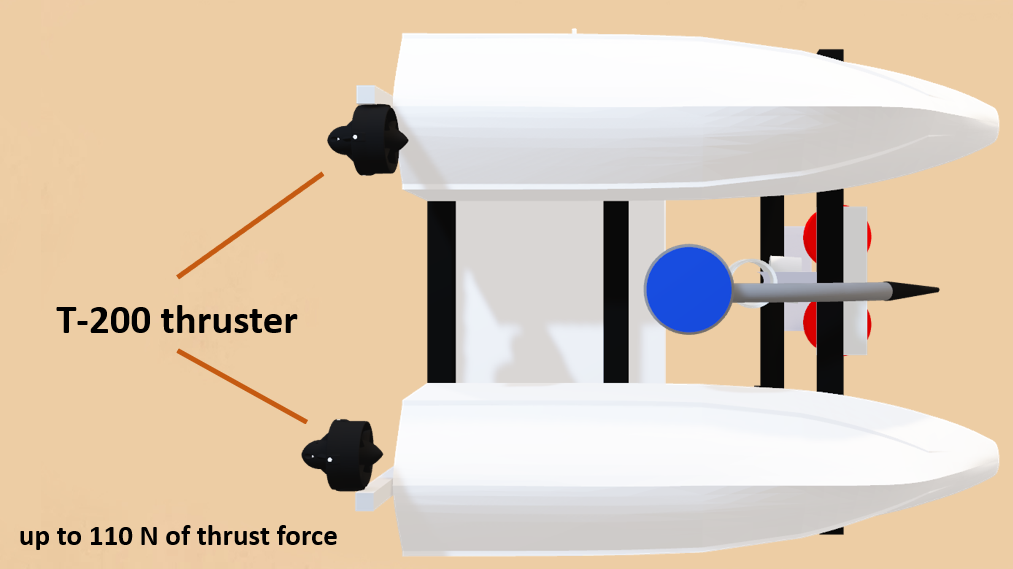
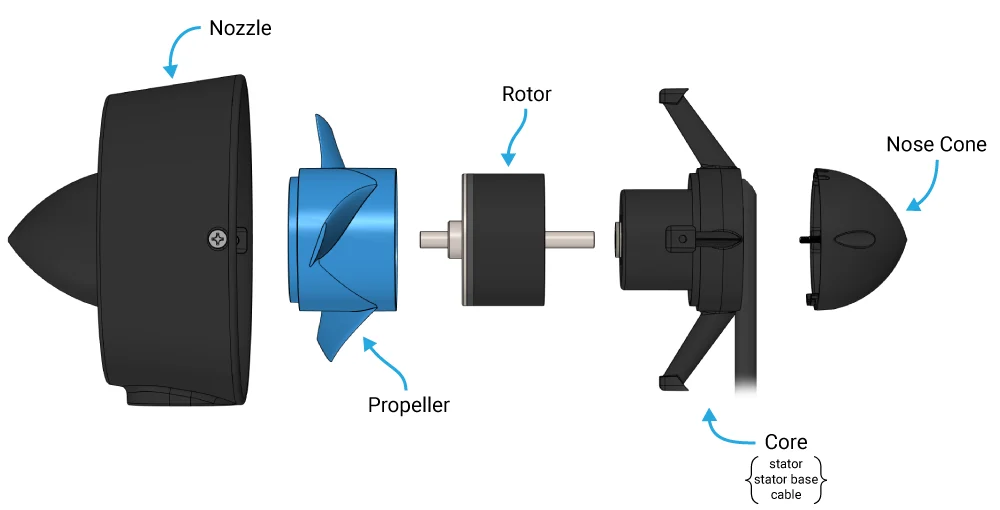
Mandjet is powered by a dual rear-mounted T200 thruster configuration. This propulsion system provides sufficient thrust for forward motion while enabling accurate yaw control. The simplified thruster arrangement enhances system reliability and reduces mechanical complexity without compromising maneuverability
The ASV integrates both ball and water shooting mechanisms to accomplish competition tasks. These mechanisms are mechanically isolated from the main electrical enclosure to prevent water ingress while ensuring accurate and repeatable task execution during mission runs.
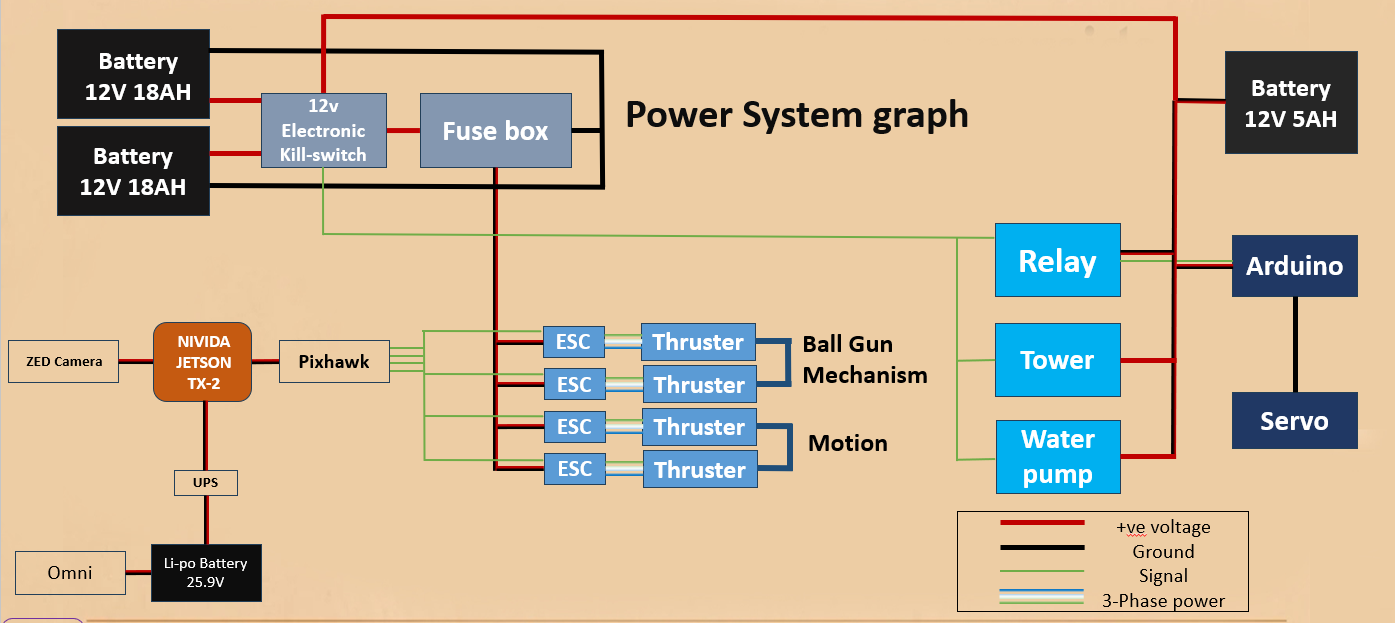
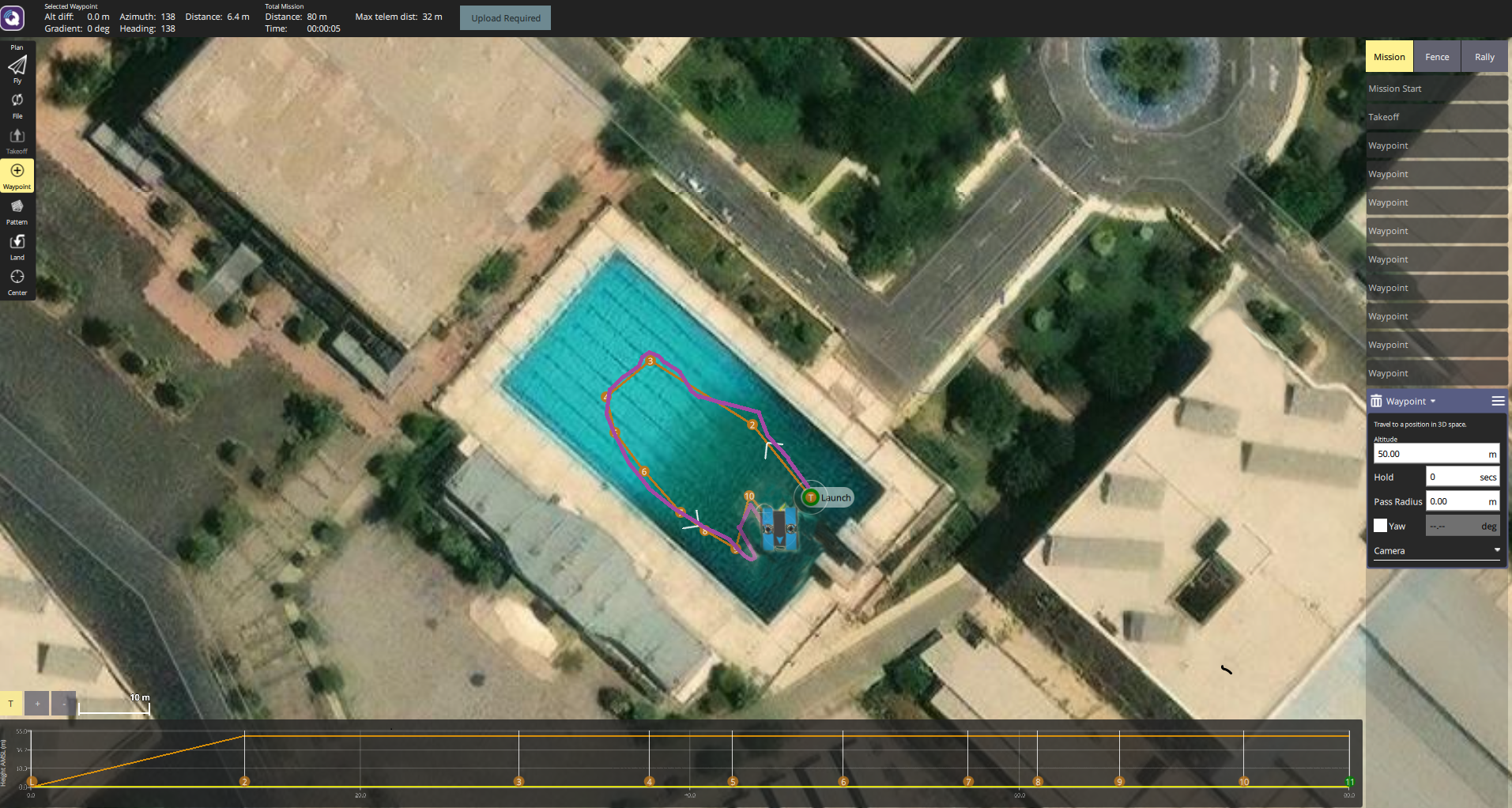
The electrical and navigation system is based on a dual-controller architecture. An NVIDIA Jetson TX2 handles high-level processing tasks such as perception and decision making, while the Pixhawk flight controller manages low-level navigation and motor control. Dual GPS modules provide accurate position estimation and redundancy.
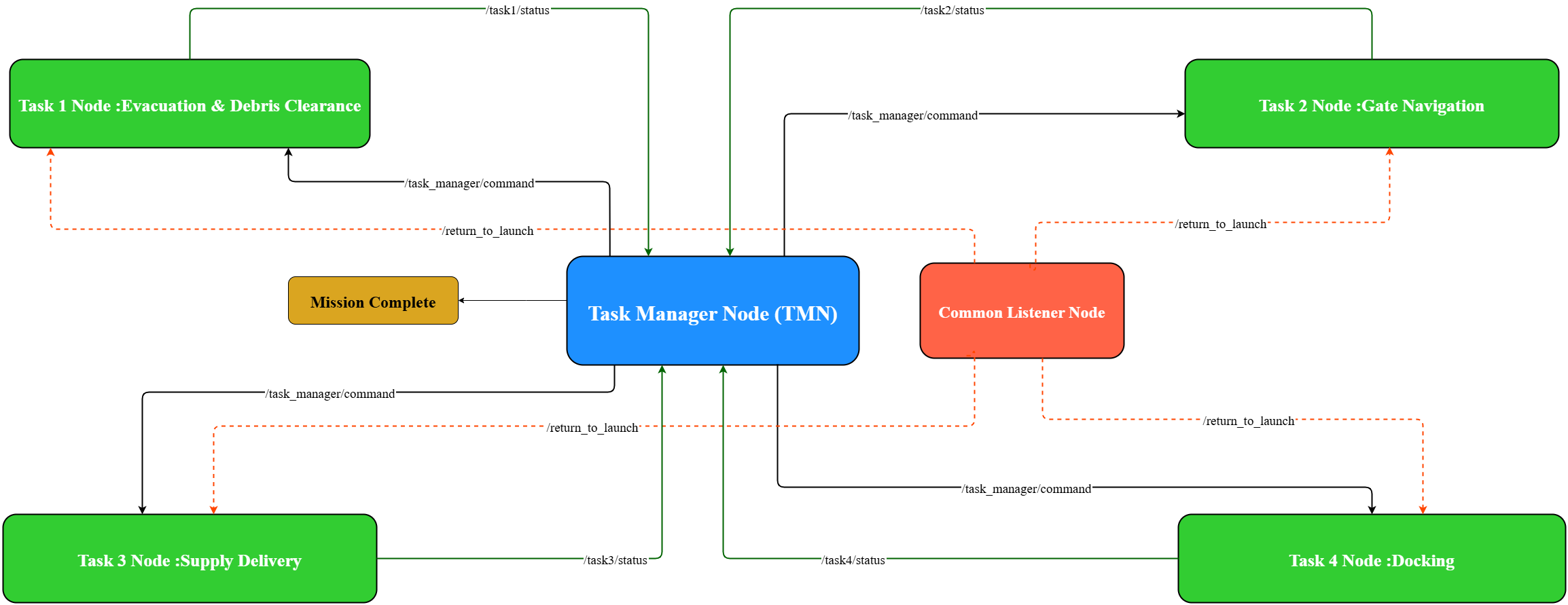
The vehicle software is built on the Robot Operating System (ROS), enabling modular and scalable development. ROS facilitates communication between perception, navigation, and control nodes, allowing efficient integration and debugging of autonomous behaviors.
Figure 6: ROS-based software architecture
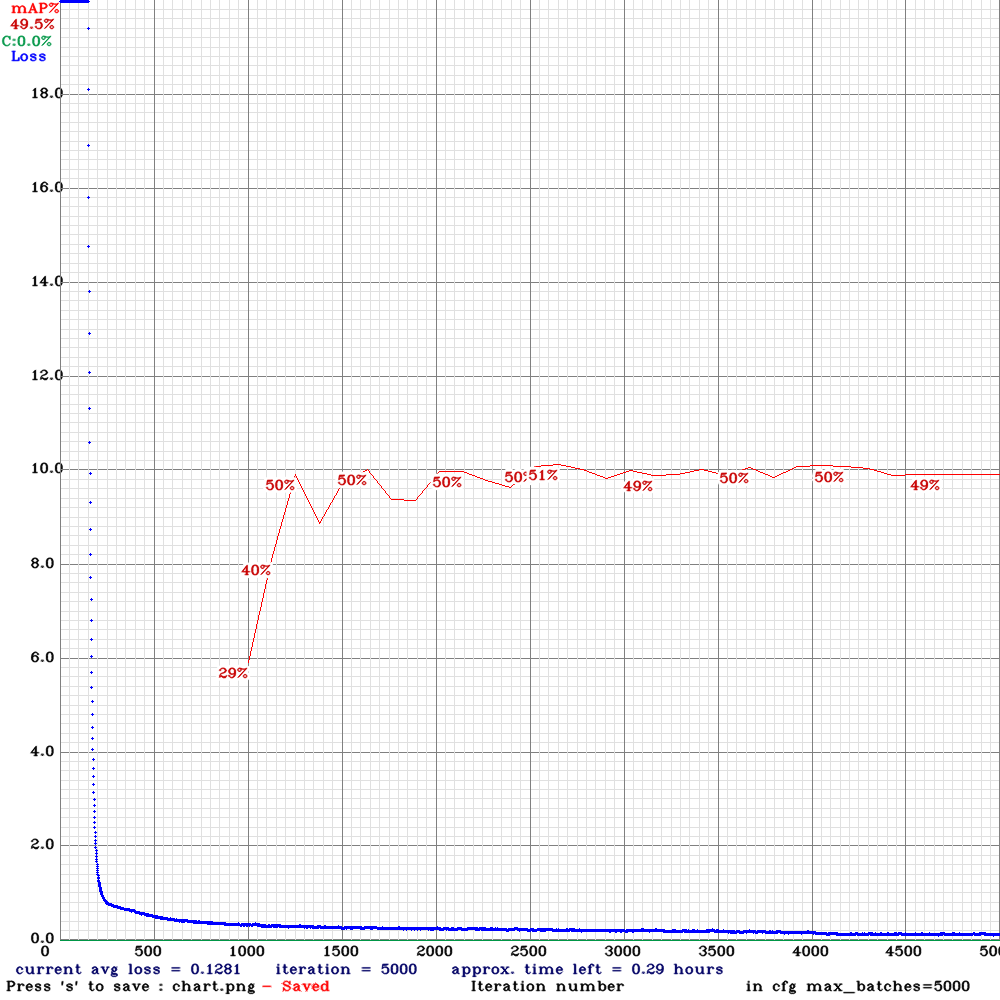
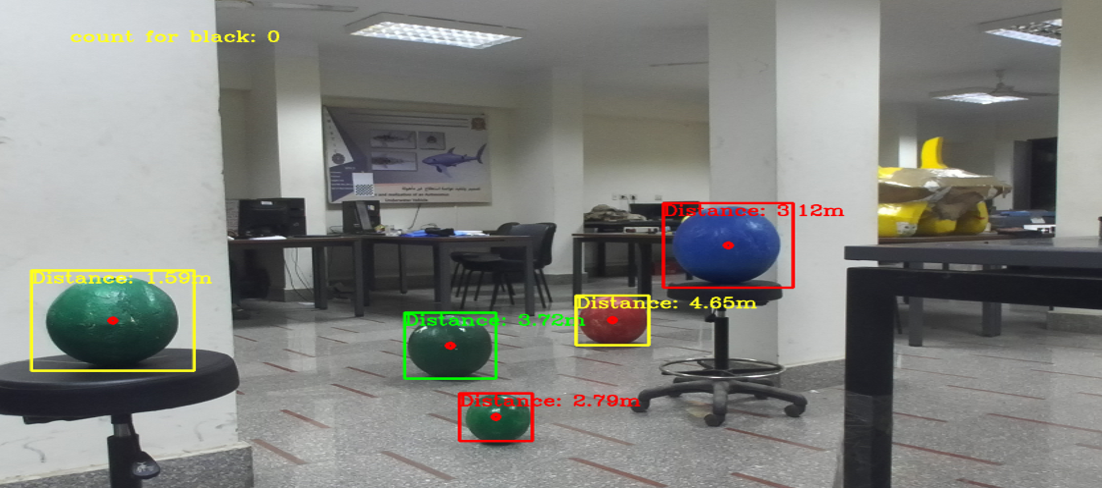
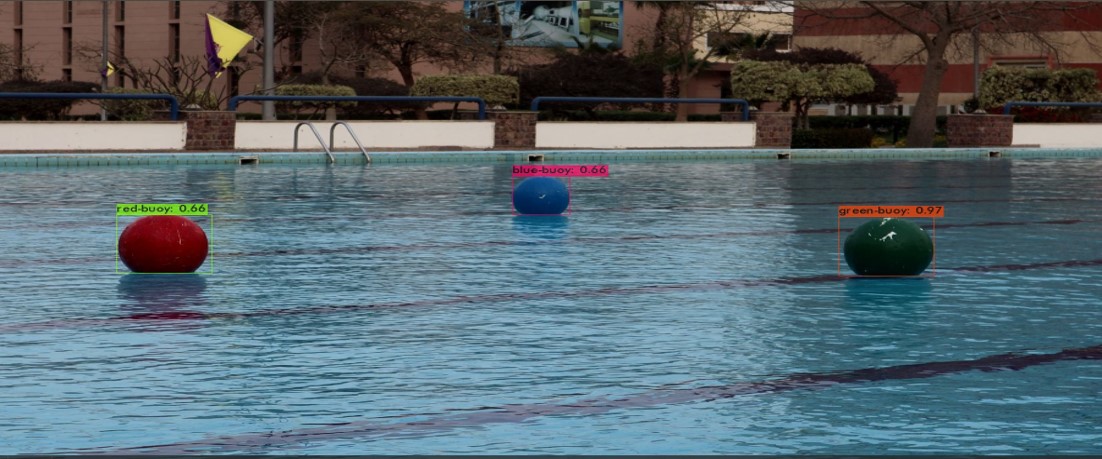
Mandjet employs a computer vision system based on YOLOv4 for real-time object detection and classification. The model was trained on a custom dataset and integrated with a ZED stereo camera to enhance depth perception and detection accuracy during competition tasks.